January 29, 2026
Residential propane tank installation can feel like unfamiliar territory for many homeowners, especially if propane hasn’t been part of their household energy setup before. Questions often come up about safety, placement, timelines, and long-term responsibilities. Understanding how the process works helps remove uncertainty and makes it easier to plan with confidence. From heating homes to supporting appliances and backup power systems, propane continues to be a reliable energy option. Conversations around residential systems also tend to overlap with topics like cylinder filling, which many people associate with propane use in general, even though home tanks operate a bit differently. This guide addresses the most common questions homeowners ask when considering residential propane tank installation.
What Happens During the Installation Process?
Homeowners often want to know what actually happens from start to finish. The process usually begins with an on-site evaluation to determine placement, access, and compliance with local regulations. Once the location is approved, the tank is delivered and set, followed by connection to the home’s propane system. Safety checks and pressure testing are standard before the system is placed into service. While some people associate propane use with cylinder filling, residential tanks are filled by trained professionals using equipment designed for larger systems. This ensures the system is ready for consistent, long-term use without disrupting daily routines.
How Is Tank Size Determined?
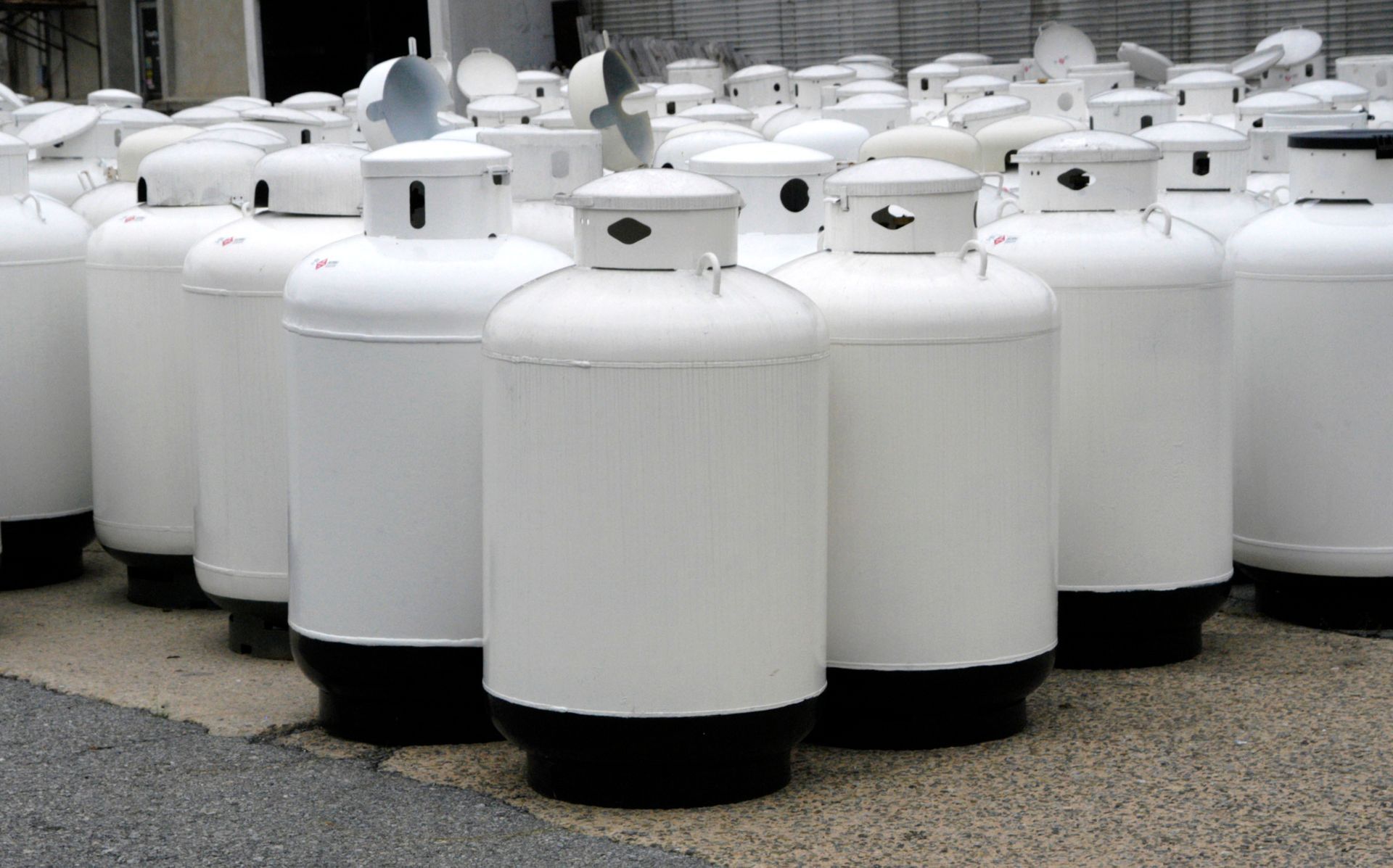
Tank size is based on how propane will be used in the home. Heating systems, water heaters, cooking appliances, fireplaces, and generators all factor into this decision. Contractors consider household size, square footage, and seasonal usage patterns to recommend an appropriate tank. Choosing the right size helps ensure reliable fuel supply throughout the year. Although cylinder filling may come to mind when thinking about propane storage, residential tanks are selected to minimize frequent refills and support steady demand. A properly sized tank supports efficiency and convenience without unnecessary interruptions.
Where Can a Residential Propane Tank Be Placed?
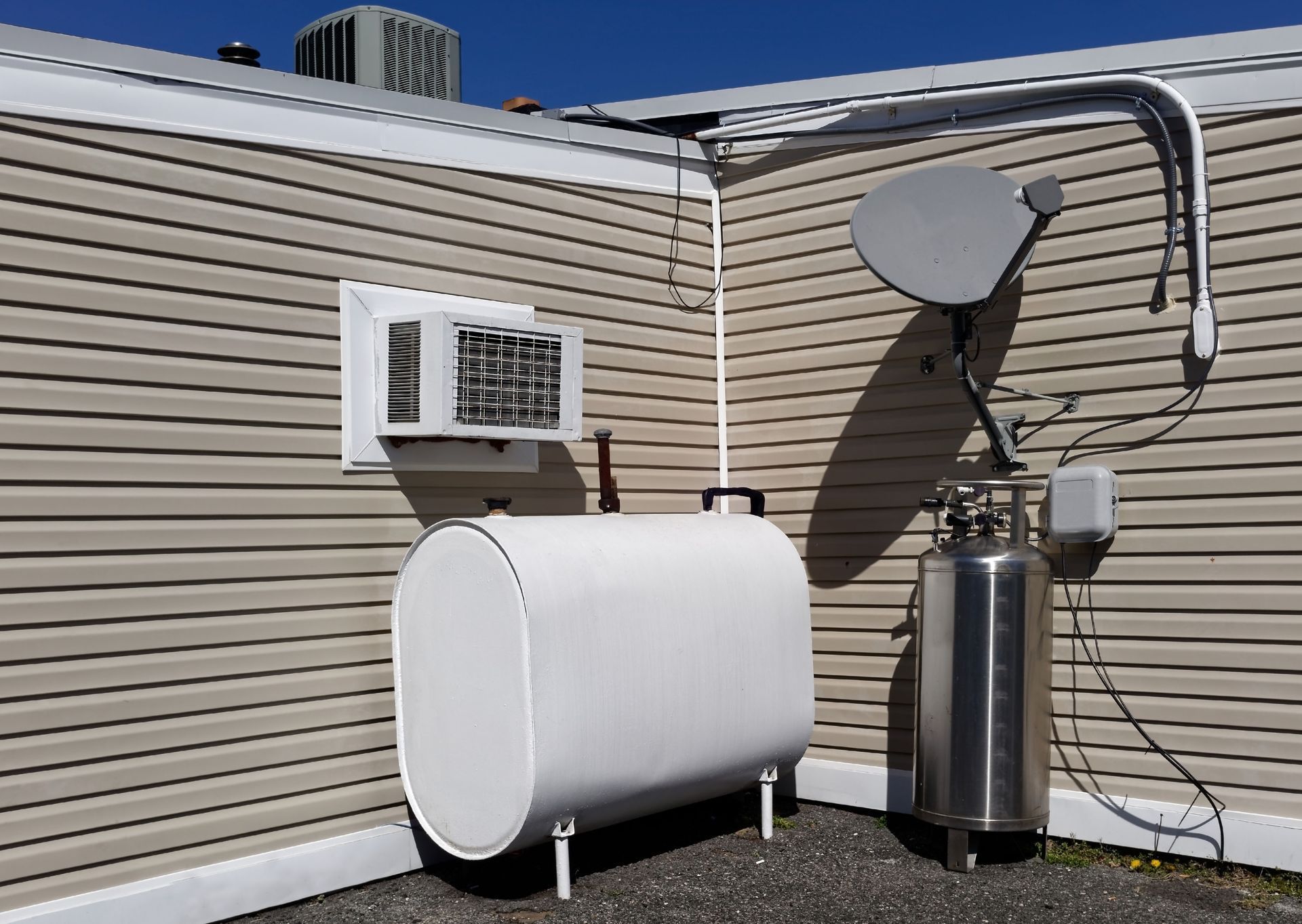
Placement is one of the most common concerns. Residential propane tanks must meet clearance requirements from buildings, property lines, and ignition sources. Above-ground and underground options are available, each with its own considerations related to visibility, access, and landscaping. Contractors review property layout and local codes before finalizing placement. While smaller propane uses rely on cylinder filling at designated stations, residential tanks remain stationary and are serviced on-site. Proper placement supports safety, accessibility, and long-term performance.
Is Residential Propane Safe?
Safety is a top priority for homeowners considering propane. Modern propane systems are designed with multiple safety features, including pressure regulators, shutoff valves, and leak detection protocols. Installations follow strict guidelines to reduce risk and ensure proper operation. Regular inspections and professional servicing further enhance safety. Many people are familiar with safety practices related to cylinder filling, but residential systems are managed through scheduled deliveries and monitoring, which reduces handling and exposure. With proper installation and maintenance, propane remains a dependable energy source for homes.
How Long Does Installation Take?
Installation timelines vary depending on site conditions, permitting, and tank type. In many cases, the physical installation can be completed within a day, though preparation and inspections may extend the overall timeline. Weather, terrain, and access to the property can also influence scheduling. Unlike situations involving cylinder filling, which may be quick and transactional, residential installation is a coordinated process involving planning and verification. Clear communication with the contractor helps homeowners understand what to expect at each stage and allows for adjustments if unexpected delays arise, keeping the project moving smoothly and reducing unnecessary stress for everyone involved.
What Ongoing Maintenance Is Required?
Residential propane tanks require periodic inspections to ensure valves, regulators, and connections remain in good condition. Providers often offer monitoring services that track fuel levels and schedule deliveries automatically. This reduces the risk of running out of propane during peak usage times. While cylinder filling requires active involvement from the user, residential systems are designed for convenience and consistency. Routine professional checks help maintain system reliability and extend the lifespan of the tank and connected equipment, giving homeowners greater peace of mind and helping avoid unexpected service interruptions throughout the year.
How Are Propane Deliveries Managed?
Once installed, propane delivery becomes a routine part of home energy management. Deliveries can be scheduled automatically or requested as needed, depending on usage patterns. Many providers use monitoring technology to anticipate refill needs and maintain consistent supply. This approach differs from cylinder filling, where individuals transport containers themselves. Residential delivery services reduce effort for homeowners and ensure fuel is delivered safely and efficiently without interrupting household activities.
Are Permits and Inspections Required?
Permits and inspections are typically required for residential propane tank installation. Local authorities review placement, connections, and safety measures to ensure compliance with regulations. Contractors usually handle permitting as part of the installation process, easing the administrative burden for homeowners. This oversight adds an extra layer of assurance that the system meets established standards. While cylinder filling operates under its own regulatory framework, residential installations involve more extensive review due to their scale and integration with the home. These inspections also help identify potential safety or accessibility issues before the tank is put into service, ensuring long-term reliability and reducing the risk of costly corrections after installation. Homeowners can feel confident knowing that all local codes and safety requirements have been thoroughly addressed.
Who Works in the Propane Industry?
Many homeowners are surprised by the size and professionalism of the propane workforce. According to the Propane Education & Research Council, over 97,000 workers across the U.S. are employed in the propane trade, wholesale, and sales. These professionals handle everything from installation and delivery to safety inspections and customer support. Their training extends beyond tasks like cylinder filling to include large-scale residential systems. This industry experience supports reliable service and informed guidance for homeowners. Additionally, these trained professionals stay up to date on evolving safety standards, regulatory requirements, and new technologies, ensuring that every installation or delivery is handled efficiently and securely. Their expertise helps homeowners navigate questions and make confident decisions about their propane systems.
How Does Weather Affect Residential Propane Use?
Seasonal changes can influence propane consumption, especially in regions with cold winters. Heating demand often increases during colder months, making planning and monitoring important. Residential systems are designed to accommodate these fluctuations with appropriate tank sizing and delivery scheduling. Unlike cylinder filling, which may require trips during inconvenient weather, residential delivery ensures fuel arrives when needed. Understanding seasonal usage helps homeowners feel prepared and confident year-round, while also supporting more predictable energy planning and fewer last-minute concerns during extreme temperature shifts.
Residential propane tank installation comes with plenty of questions, and that’s completely normal. From safety and placement to delivery and maintenance, understanding how the system works makes the experience more approachable. Propane continues to support comfortable, efficient homes across the country through well-planned installations and professional service. While terms like cylinder filling are often associated with propane use, residential systems are built around convenience and reliability. By asking the right questions and working with experienced providers, homeowners can move forward with clarity and confidence.
If you’re exploring residential propane options and want clear answers from a knowledgeable team, Robbins Propane is available to help guide you through the process and explain what works for your home. A quick conversation can help clarify installation details, usage expectations, and ongoing service options, making it easier to move forward with confidence.