February 20, 2026
Propane serves as a versatile and efficient energy source that powers a vast array of appliances and equipment. Whether you are searing a steak on a backyard grill, heating a remote cabin, or keeping a forklift moving in a busy warehouse, the portability of this fuel makes it indispensable. Central to this utility are the portable containers designed to hold this pressurized liquid gas safely and effectively. Understanding the mechanics, safety protocols, and maintenance requirements of these vessels ensures that users can enjoy the benefits of clean-burning energy without unnecessary risk.
Powering Modern Outdoor Living
The most common encounter many people have with portable fuel sources is in the realm of outdoor recreation. From the standard containers tucked under barbecue grills to the smaller units used for camping stoves, these pressurized vessels provide a reliable flame in environments where natural gas lines cannot reach. The convenience of being able to transport high-density energy in a compact steel or composite shell has revolutionized the way we experience the outdoors. Beyond simple cooking, these units often power patio heaters, fire pits, and even mosquito traps, extending the usability of outdoor spaces through various seasons.
Understanding Cylinder Construction Standards
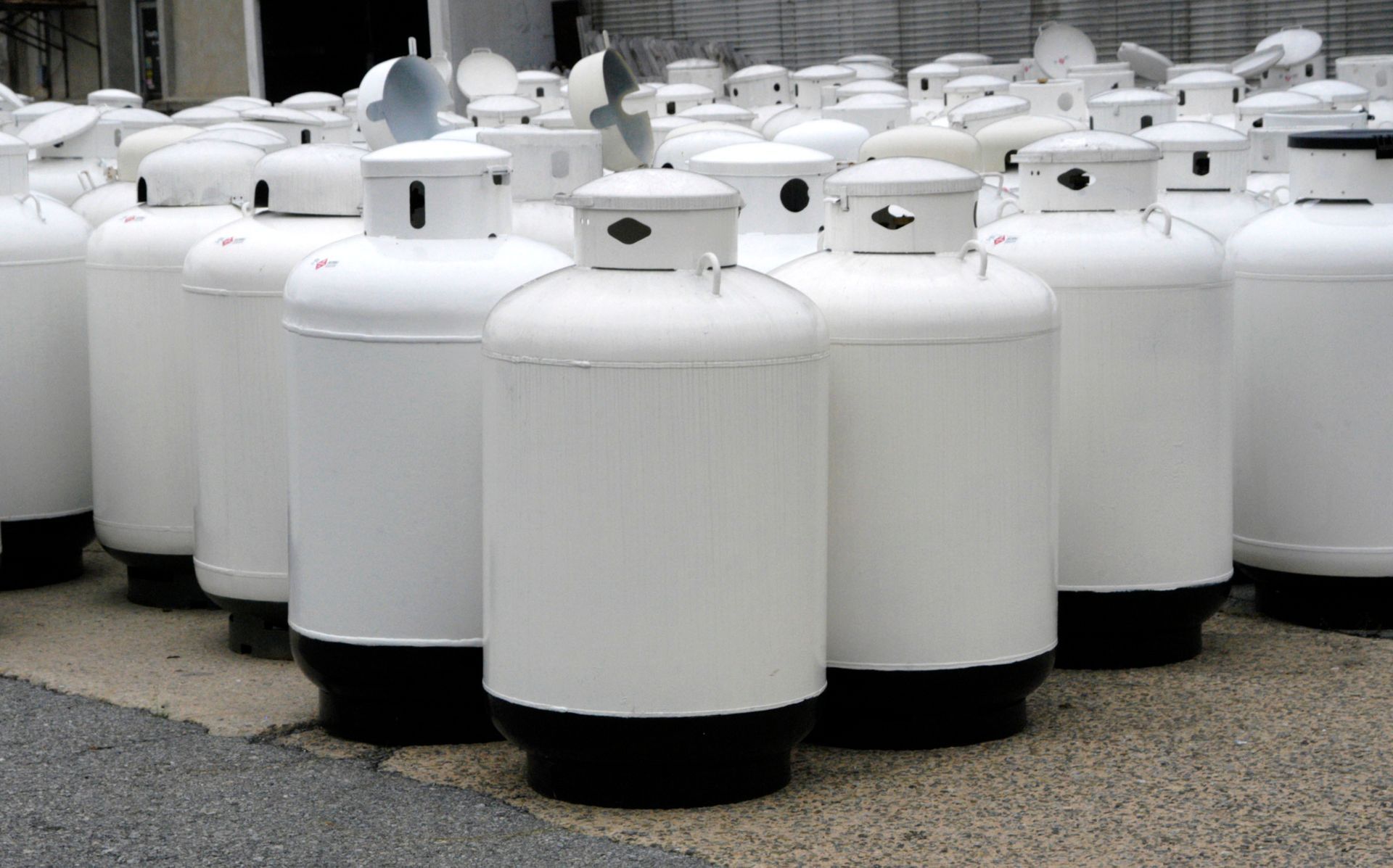
Manufacturers build these vessels using heavy-duty steel or aluminum to withstand internal pressure and external wear. Each container must adhere to strict regulatory guidelines regarding wall thickness, weld integrity, and valve design. The exterior is typically coated with a light-colored, reflective paint to minimize heat absorption from sunlight, which helps maintain stable internal pressure. Inside, the fuel exists mostly as a liquid, with a small amount of vapor space at the top to allow for expansion.
Inspecting Connection Points Regularly
Safety begins with a thorough examination of the hardware that facilitates fuel flow. Before every use, operators should check the rubber gaskets and O-rings inside the connection valves for signs of cracking or brittleness. A compromised seal is the primary culprit for minor leaks that can lead to significant hazards. Utilizing a simple solution of soapy water applied to the connection point can reveal hidden issues; if bubbles form while the valve is open, it indicates a leak that requires immediate attention. Keeping the threads clean of debris and ensuring a snug fit without over-tightening protects the integrity of the equipment over time.
Storing Units In Well-Ventilated Areas
The storage of propane cylinders requires a commitment to open-air environments. One of the most critical mistakes a user can make is keeping these containers inside a garage, basement, or shed. Because the gas is heavier than air, any slow leak will cause the fuel to pool on the floor rather than dissipate, creating an invisible and highly flammable "puddle" of vapor. To prevent this, always keep tanks upright on a flat, stable surface outdoors. This positioning ensures that the safety relief valve remains in contact with the vapor space rather than the liquid, allowing it to function correctly if the internal pressure rises due to high ambient temperatures.
Transporting Tanks With Extreme Caution
Moving propane cylinders from a refilling station to a home or job site necessitates specific safety behaviors. Tanks should always be secured in an upright position to prevent them from rolling or tipping, which could damage the valve assembly. It is vital to keep the vehicle well-ventilated during transit, even if it means rolling down the windows in cold weather. Never leave a tank inside a hot, enclosed vehicle for an extended period, as the rising internal temperature could trigger the relief valve, releasing gas into the cabin. Once you arrive at your destination, prioritize unloading the fuel immediately to minimize exposure to confined spaces.
Recognizing Signs Of Tank Degradation
Over years of service, the metal exterior of propane cylinders may begin to show signs of environmental stress. While minor surface scratches are common, deep pits of rust or significant dents can compromise the structural integrity of the pressurized walls. If the foot ring—the circular base that keeps the tank upright—becomes unstable or heavily corroded, the unit is no longer safe for use. Furthermore, every tank is stamped with a manufacture or requalification date. Once a vessel reaches a certain age, it must be professionally inspected and recertified by a qualified technician to ensure it can still hold pressure safely.
Utilizing Professional Refilling Services
While the temptation to use small adapter kits for refilling might exist, the safest practice is always to visit a professional station. Experts at these facilities are trained to fill propane cylinders by weight or volume, ensuring that the critical "ullage" or expansion space is maintained. Overfilling a tank is a serious hazard, as it leaves no room for the liquid to expand when temperatures rise, potentially leading to a dangerous release of gas. Professionals also perform a cursory safety check during the filling process, identifying issues with the valve or the tank body that a casual user might overlook.
The Breadth of Propane Applications
The versatility of this fuel extends far beyond the backyard. In agricultural settings, it dries crops and heats livestock barns. In industrial sectors, it powers the high-torque engines of indoor machinery. Even in residential life, its impact is significant. According to the U.S. Energy Information Administration, about 5% of all homes in the U.S. rely on propane. For these households, the fuel is a lifeline for water heating, clothes drying, and backup power generation during storms.
Maintaining Long-Term Reliability
Consistency in maintenance is the hallmark of a responsible fuel user. By treating propane cylinders as precision instruments rather than simple metal cans, you extend the life of your appliances and protect your property. This involves keeping the tanks clear of snow and ice in the winter and ensuring that the protective plastic caps are replaced when the tanks are not in use. These small habits prevent moisture from entering the valve assembly, which can cause internal corrosion or freezing issues that interrupt fuel delivery when you need it most.
Promoting Environmental Responsibility
Choosing to use propane cylinders is also a step toward a smaller carbon footprint compared to many other portable energy options. Propane is recognized as a clean-burning alternative fuel that produces significantly fewer greenhouse gas emissions than gasoline or coal-generated electricity. Because it is non-toxic and does not contaminate soil or groundwater in the event of a leak, it is an ideal choice for sensitive environments. By following proper usage and disposal guidelines, consumers contribute to a cycle of responsible energy consumption that benefits both their immediate surroundings and the broader ecosystem.
Identifying When To Replace Units
Eventually, every piece of hardware reaches the end of its functional life. If a tank fails a visual inspection or has surpassed its legal recertification date without a passing grade, it must be retired. It is important to never dispose of propane cylinders in regular household trash or recycling bins. Most municipalities and fuel suppliers have specific exchange programs or hazardous waste collection days to handle these items.
The portable nature of pressurized fuel has fundamentally changed how we work and play. By respecting the power contained within propane cylinders and adhering to established safety guidelines regarding storage, transport, and inspection, users can harness this energy with confidence. Staying informed and vigilant is the best way to ensure that this convenience remains a safe and reliable part of your daily life.
For all your fueling needs and professional tank services, you can trust the experts at Robbins Propane to provide the quality and safety you deserve. Contact us today.